0%
001 / 007
The Byzantine
General

Open source research project dedicated to the origins of Bitcoin
Scroll to reveal
ASSEMBLING
0%
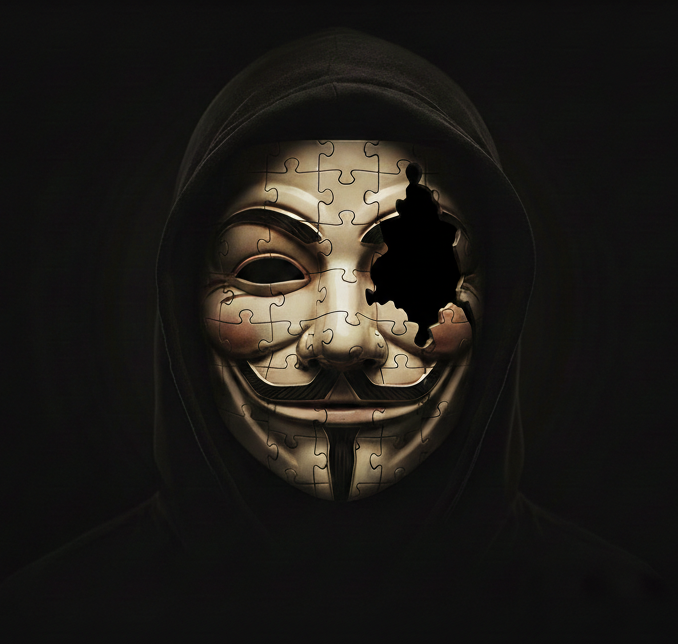
Satoshi Mask
Ross Ulbricht
Satoshi Myth
Hal Finney
Investigation
Adam Back
Silk Road
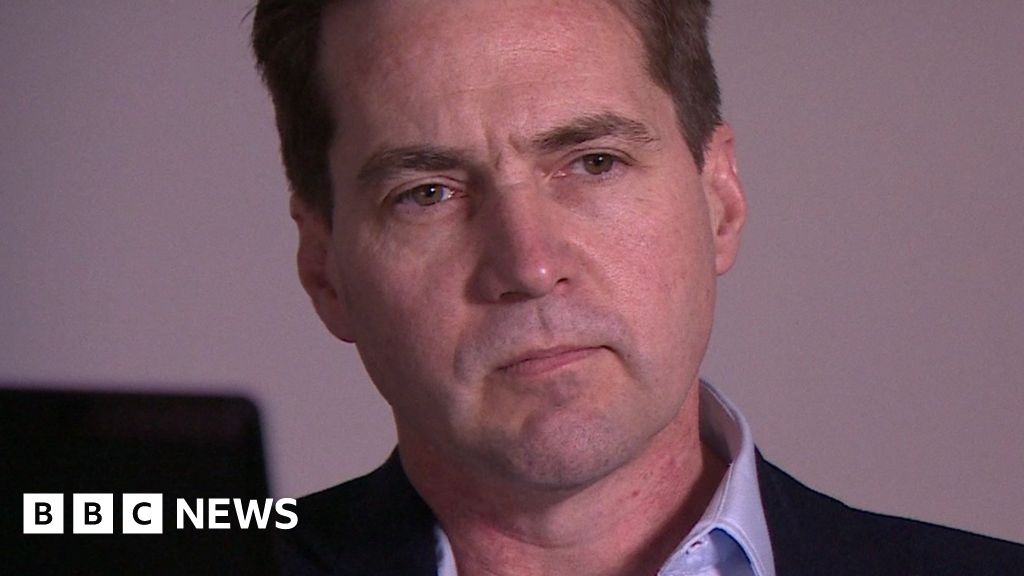
Craig Wright BBC
Bitcoin Genesis Block
Cypherpunks
Satoshi
FBI
Context
Satoshi Full Mask
Gavin Andresen
Newsweek Satoshi
Mount Gox
Evidence
Research
Assange
Satoshi Mask
Ross Ulbricht
Myth
SCROLL / DRAG TO EXPLORE THE ARTBOARD
Use the navigation above to dive into the investigation. The Byzantine General is a seven-year examination into Satoshi Nakamoto's true identity.
Begin the Investigation

73262a56ce07170bd36f6769eb7708

Access the Research
The Satoshi Mystery

Deconstructing the Myth of Satoshi Nakamoto

Open source research project dedicated to the origins of Bitcoin

Bitcoin is one of the most disruptive technologies of our time. Seventeen years after its creation, the world's first decentralized currency has fueled an economy worth trillions of dollars and challenged the very foundation of monetary authority.

But Bitcoin's impact runs deeper than economics. Like artificial intelligence, it marks the beginning of a new epoch, one that could reshape society as profoundly as the Industrial Revolution once did.

Since the approval of Bitcoin ETFs in the United States, what began as a rebellion against state-backed money is now finding its way into the heart of government treasuries.

And yet, at the center of this global shift lies a mystery: Who created Bitcoin?

As this technology becomes a pillar of the world economy, we must reexamine its origin story and that of its creator.

Bitcoin
The Bitcoin logo, symbol of a new financial paradigm.

The mystery wasn't unsolved. It was guarded.

Seven years ago, a group of researchers based in Shanghai set out to investigate the mystery surrounding Satoshi Nakamoto. They decided to call this project The Byzantine General.

Their approach was simple: attend Bitcoin and crypto conferences, interview as many pioneers and industry leaders as possible, and ask them their thoughts on who invented Bitcoin. Unexpectedly, within just a few meetings, they encountered a surprising pattern.

These influential figures in the industry suggested that the identity of Satoshi Nakamoto wasn't an unsolved mystery. It was an open secret. Some of these people even claimed that they had "first-hand knowledge" of who invented Bitcoin.

The Satoshi puzzle
The Satoshi puzzle clicked into place...

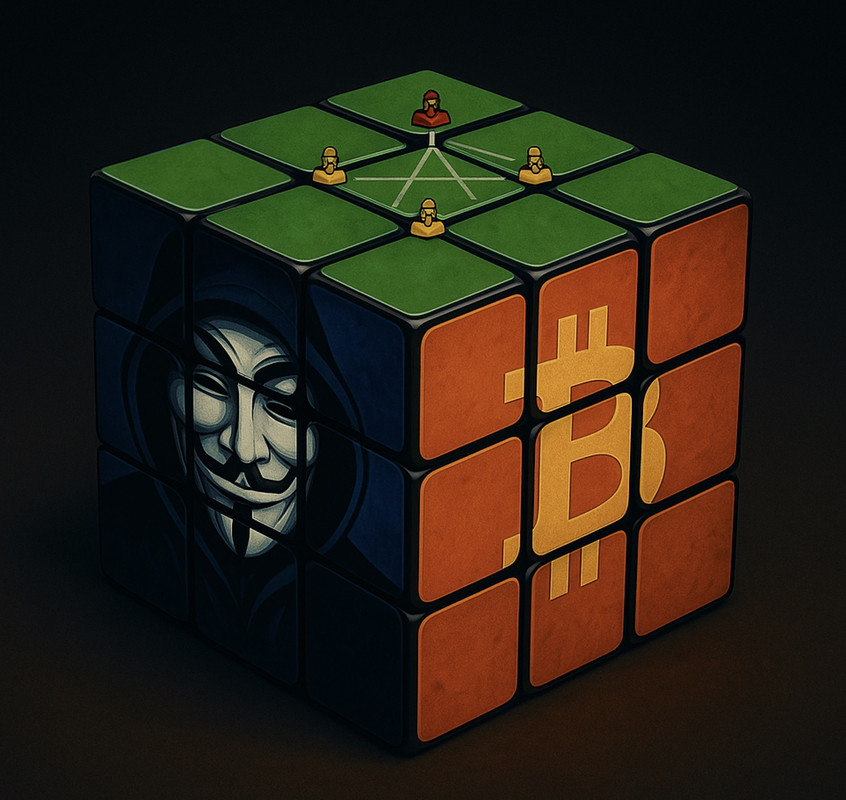
The cube clicked into place.

It seemed, from the outside, that the mystery of Satoshi Nakamoto was an unsolvable puzzle: too layered, too obscure, like a Rubik's Cube with missing pieces.

But these people had access to the kind of insights that allowed them to assign proper weight to every assumption, and accurate value to every piece of evidence. When seen through that lens, the mystery didn't unravel; it resolved. The cube clicked into place. And what had once seemed unknowable became obvious.

According to the individuals the research team spoke with back then, the reason this knowledge remained hidden was that the truth was incompatible with the myth.

They did believe that the truth would eventually surface…But it didn't. Now, seven years later, a series of recent developments in the industry make this the right moment to bring it to light.

The Satoshi Myth

An ideal origin story for Bitcoin.

Because Bitcoin lacks a traditional hierarchical structure, the mystery surrounding Satoshi has become an integral part of the system's philosophical architecture.

But because of this, many people in the industry, consciously or subconsciously, identify the merits and success of Bitcoin in parts with its mysterious origins. Consequently any attempt to question or demystify this mythical narrative is often perceived not merely as historical inquiry, but as an attack on Bitcoin itself.

The Myth of Satoshi

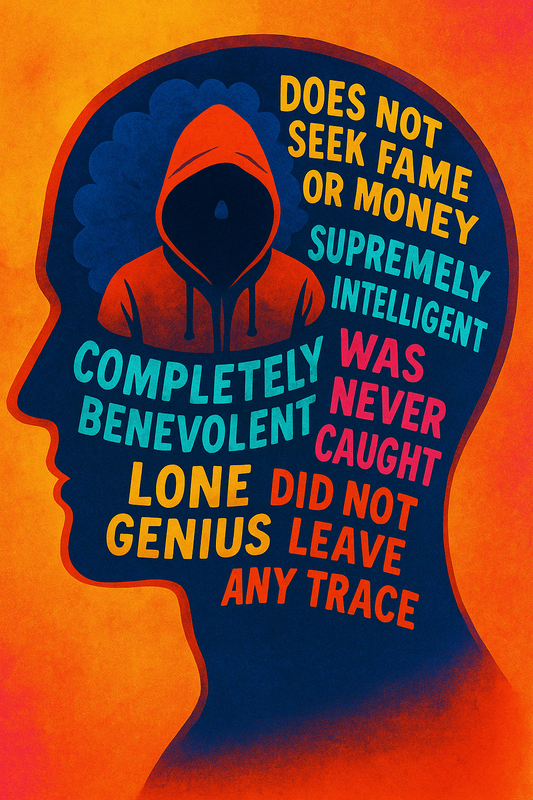
The attributes of a superhero.

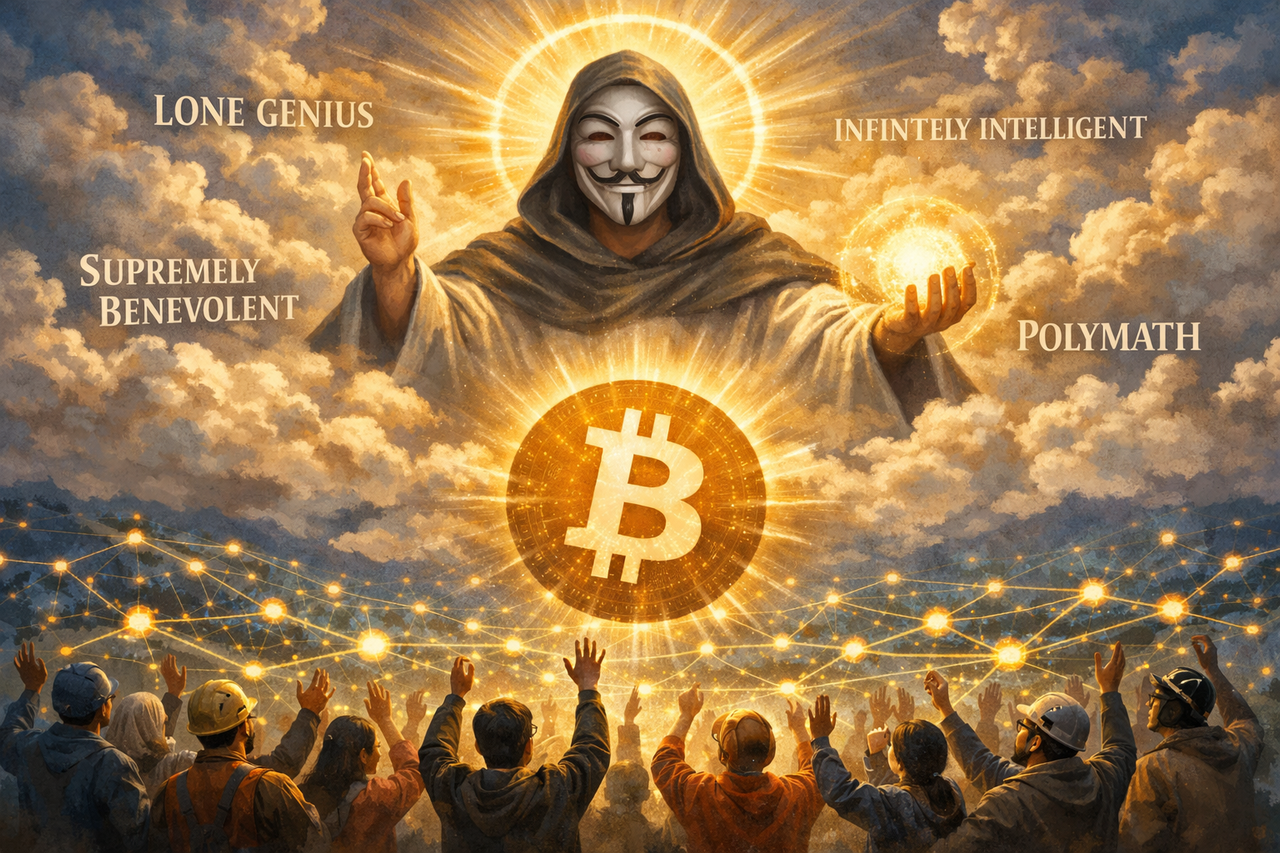
What is the mental positioning that Satoshi Nakamoto holds in your mind? For most, Satoshi occupies a space akin to that of a mythic figure: a lone genius, altruistic, supremely intelligent, untraceable, uninterested in fame or fortune.

These are the traits we often project (consciously or unconsciously) onto the inventor of Bitcoin. The only problem with these traits is that they are not the attributes of a "normal" human being. They are the attributes of a superhero.

When we start viewing Satoshi through this lens, it becomes clear that he functions as a myth. Myths play powerful roles in both individual psychology and collective society. They are simple, symbolic narratives that represent ideals: often idealized traits or values.

Because of this, myths are difficult to challenge. They create shared meaning, bring people together, and often shape our understanding of reality. That emotional weight makes myths resistant to scrutiny. But to investigate the true origins of Bitcoin we are going to need to deconstruct the myth surrounding Satoshi Nakamoto.

Cutting through the noise

To understand why the myth of Satoshi Nakamoto persists, we need to cut through the noise that surrounds it.

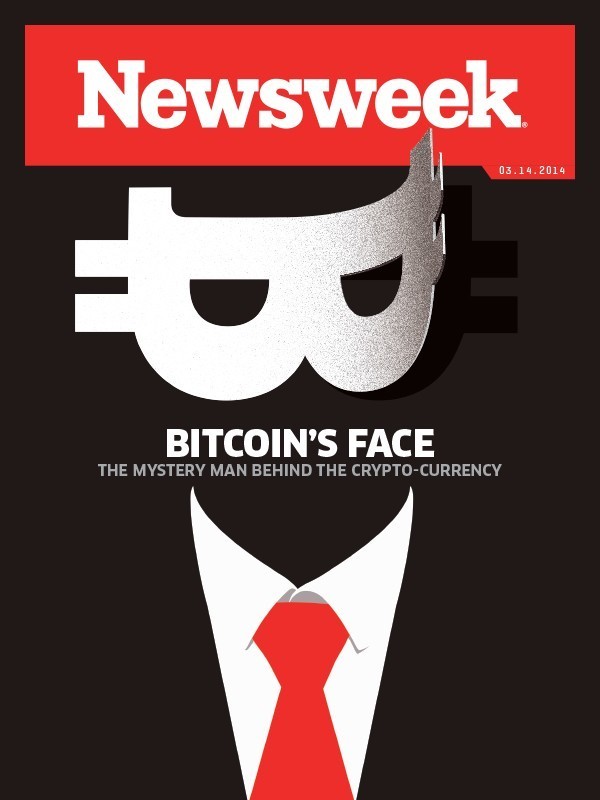
There is, on one hand, the external noise: the narratives produced by the media, the countless theories and conspiracies about his identity.

Then there is the internal noise that we must confront. This is the noise generated by our own emotional relationship with the figure of Satoshi, the attachment many people form to the myth itself.

As we will see, this emotional attachment produces a number of cognitive biases, most commonly in the form of epistemological confusion between facts, evidence, and interpretation.

Two doors
A counter-intuitive experiment illustrating conditional probability.

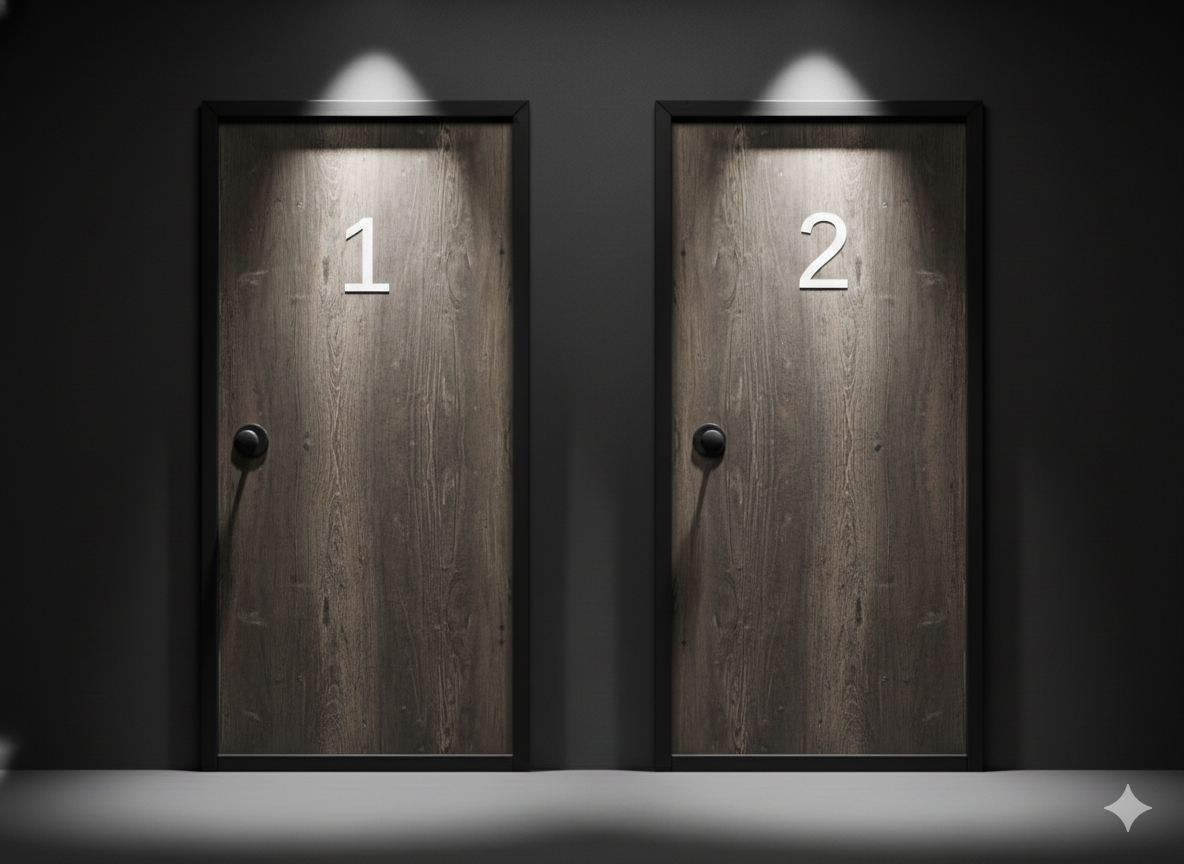
Imagine two doors.

To illustrate how cognitive bias and context affect our thinking, consider the following scenario:

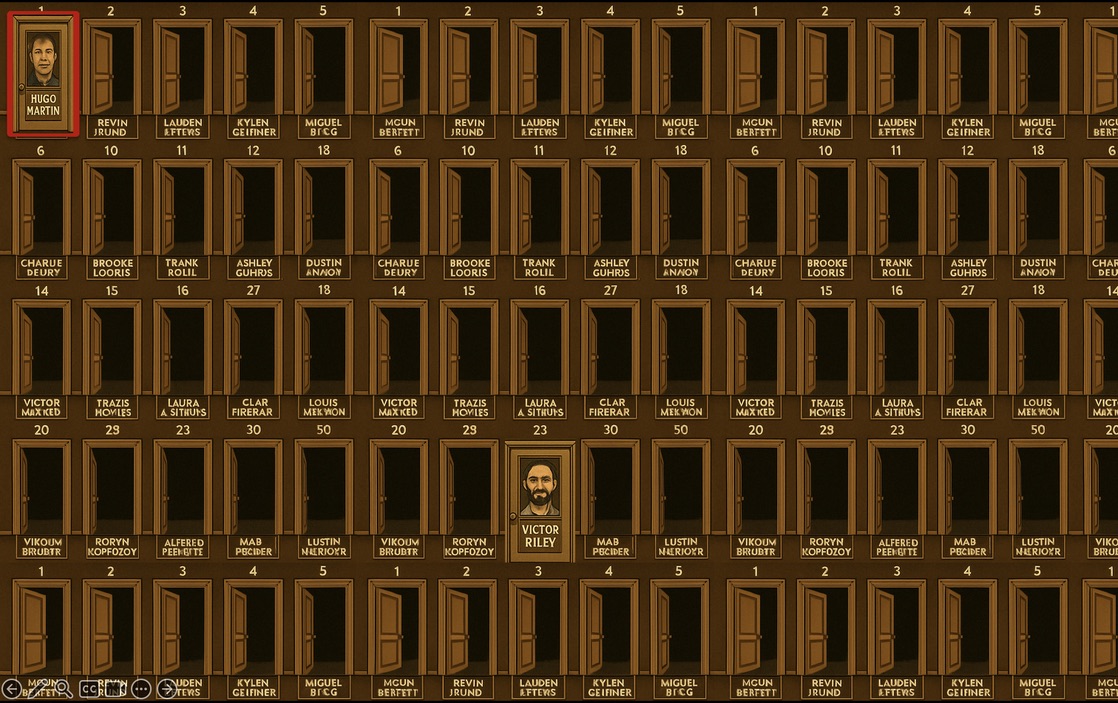
Imagine that you are faced with two doors. Behind one of these doors is $1,000,000. What are the odds that the money is behind door one or door two? Most people say 50-50. But the correct answer is: it depends. It depends on the context in which this situation occurs.

The Monty Hall Problem

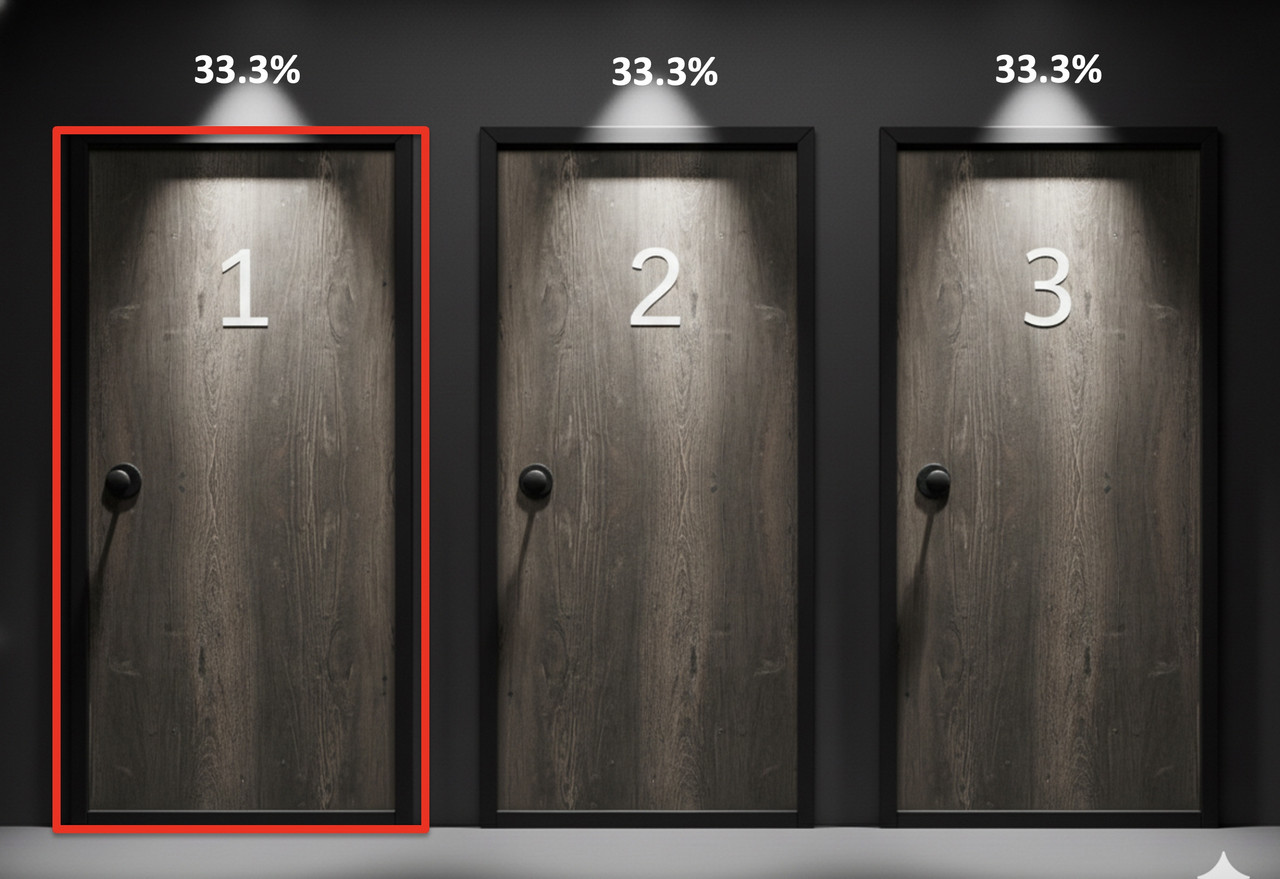
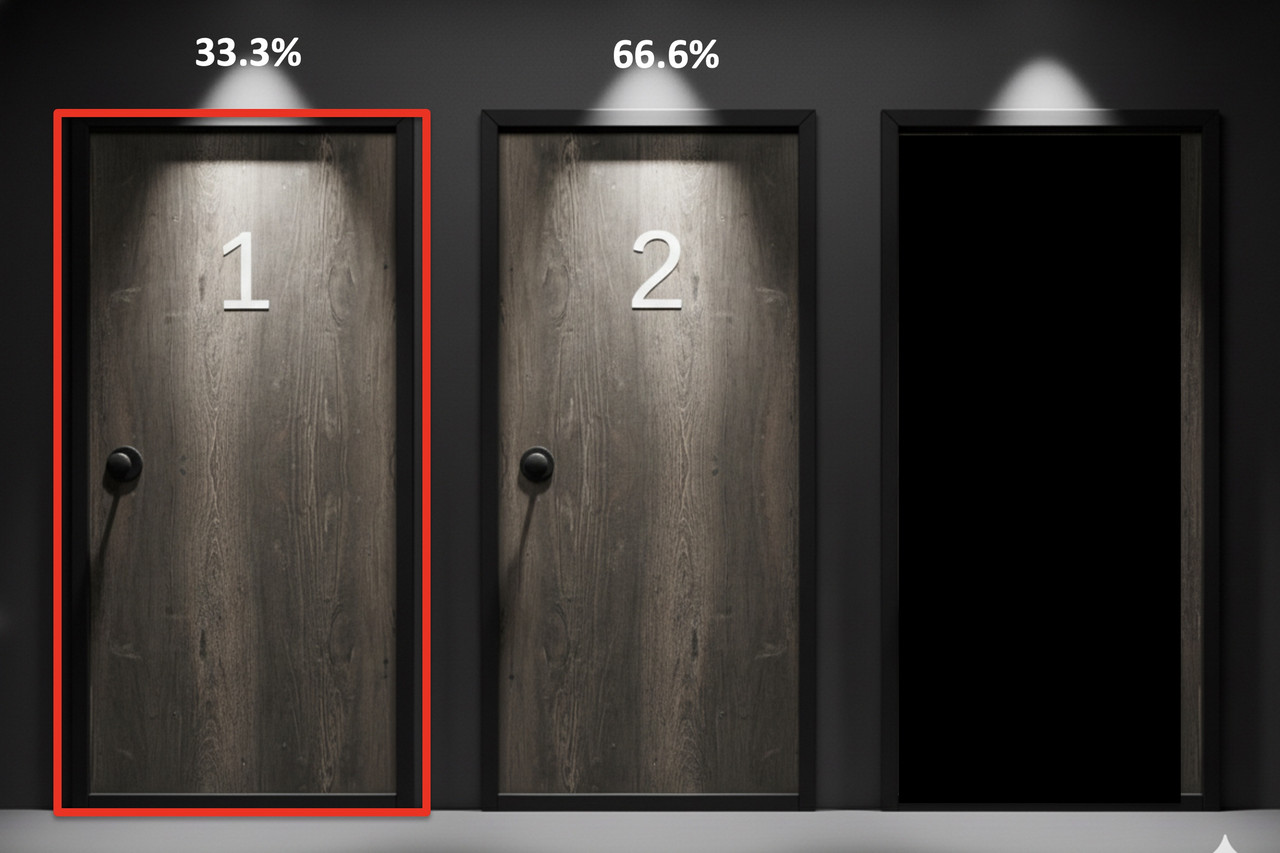
To better understand how and why context impacts such probabilities, let's look at the Monty Hall problem. Imagine you're on a game show with three doors. Behind one door is $1,000,000. Let's say you choose door number 1. The host, who knows where the prize is, opens another door, for example door number 3, to show it's empty. Then you're given a choice: stick with your original pick or switch.

The Monty Hall Problem

Most people in that particular scenario stick with their original choice. Why is that? In short: Emotional biases.

First, they assume that the odds of the money being behind door 1 and 2 is 50-50. Second, they want to trust their first intuition, fearing to regret switching in case their first choice was the correct one. Often, participants also suspect that the anchor is trying to lure them away from their original correct choice.

Three doors with one open

Asymmetry of information

The fact is that, statistically, you're twice as likely to win if you switch. Why? Because in that particular context, there is an asymmetry of information between you, who don't know behind which door the money is, and the anchor who knows with 100% certainty where the money is. That asymmetry is the reason for the shift in probability. Most people don't intuitively understand this because they neglect the context.

100 doors illustration

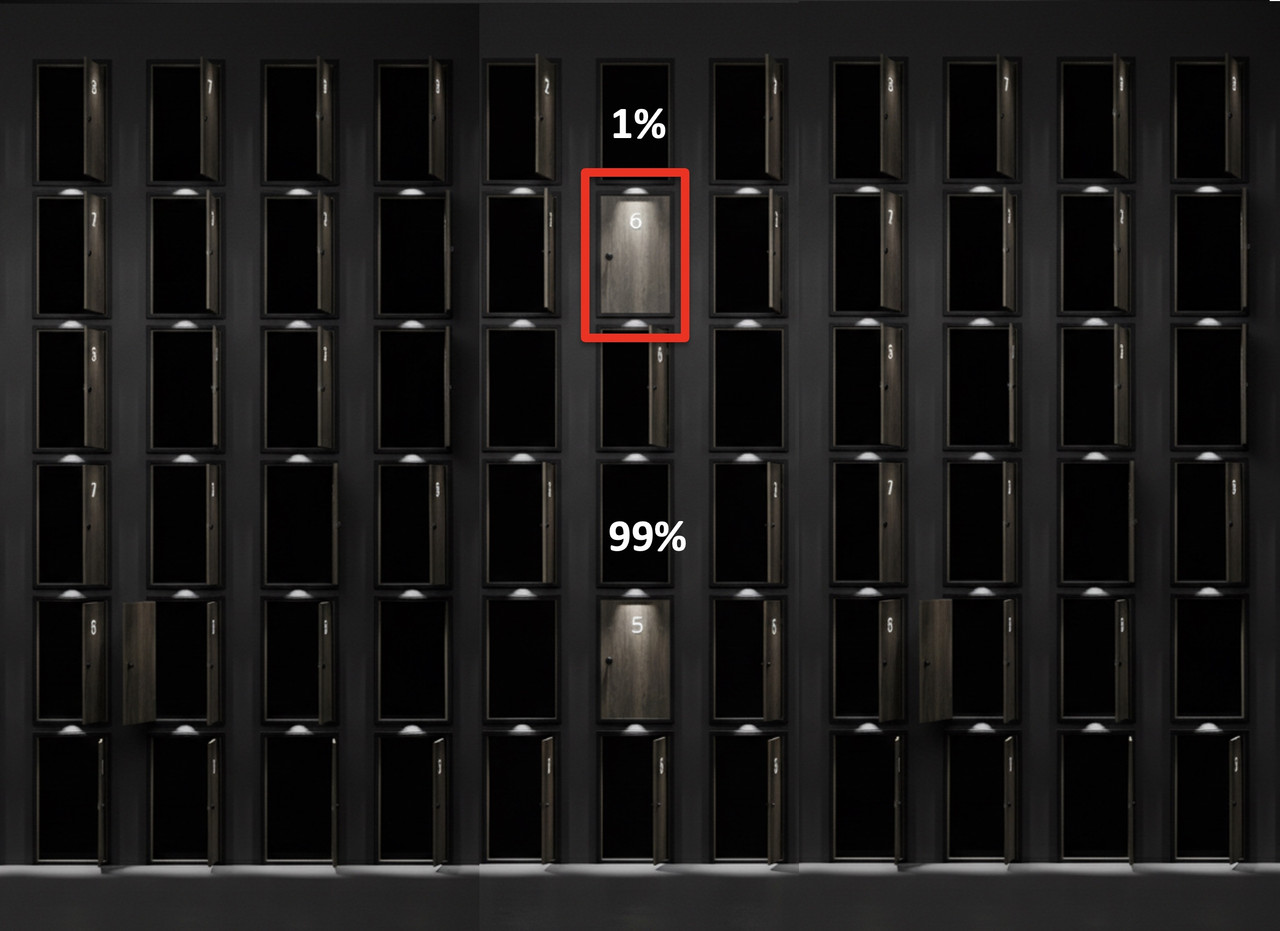
99% vs 1%

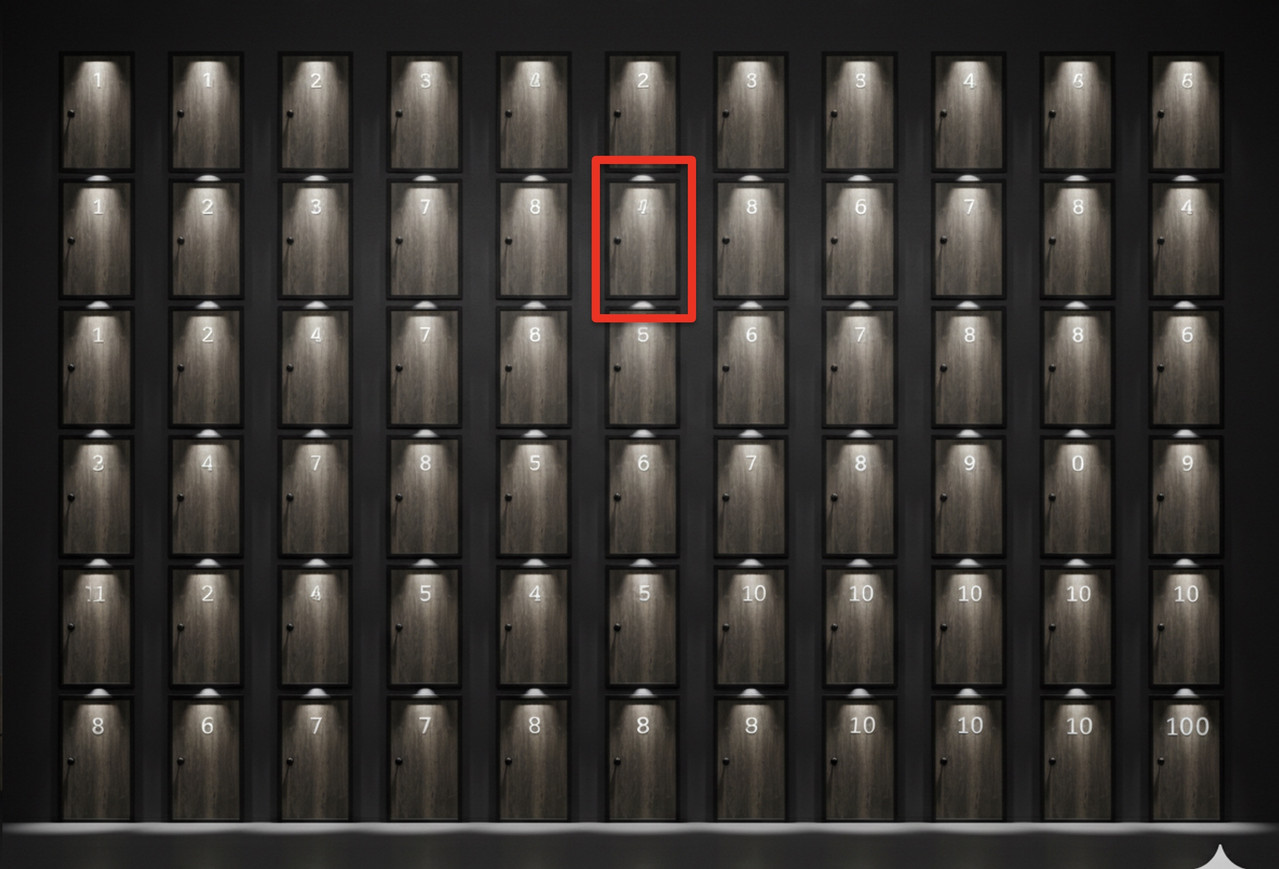
Now imagine this scenario expanded to 100 doors. You pick one. The host, knowing where the prize is, opens 98 of the others. The only doors left are your original choice and one unopened door.

It becomes obvious: your original choice still has only a 1% chance, while the unopened door now holds a 99% likelihood. This illustrates how probability shifts with new context and information.

100 doors probability

Now imagine 100 doors...

You pick one door. The host opens 98 empty doors. Two doors remain: yours and one other. Would you switch?

Choose a door.
Click on one of the 100 doors below.
0
Switch Wins
0
Stay Wins
0
Games Played

Narrowing down the doors

Over the years, numerous theories have been proposed about who Satoshi is. These theories are usually built on assumptions aiming at narrowing down the possibilities to one final "door".

The most common hypotheses revolve around the technical expertise, the breadth and depth of knowledge and know-how required to invent Bitcoin. Other factors taken into consideration include elements we could categorize as "social evidence" (such as the candidate's timeline matching that of Satoshi's).

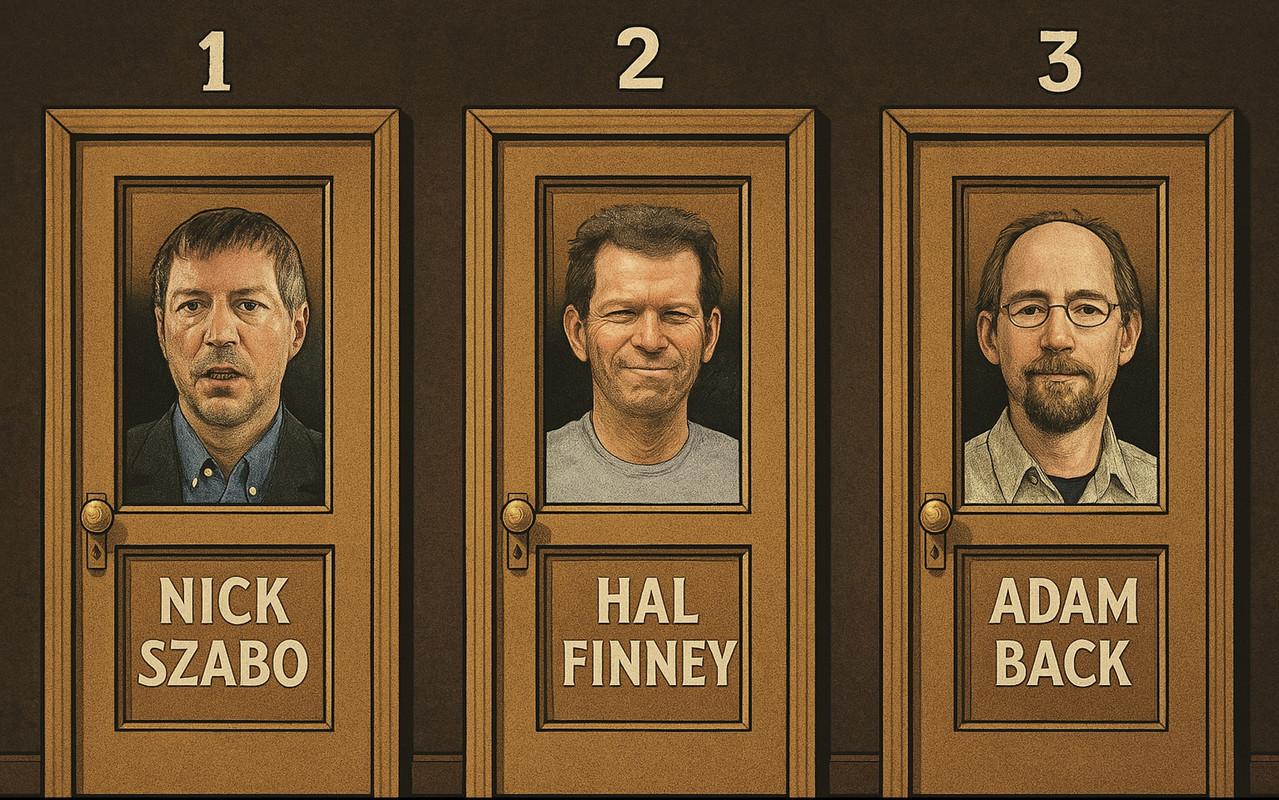
Satoshi candidates
The usual suspects proposed as potential Satoshi candidates.

The Satoshi candidates

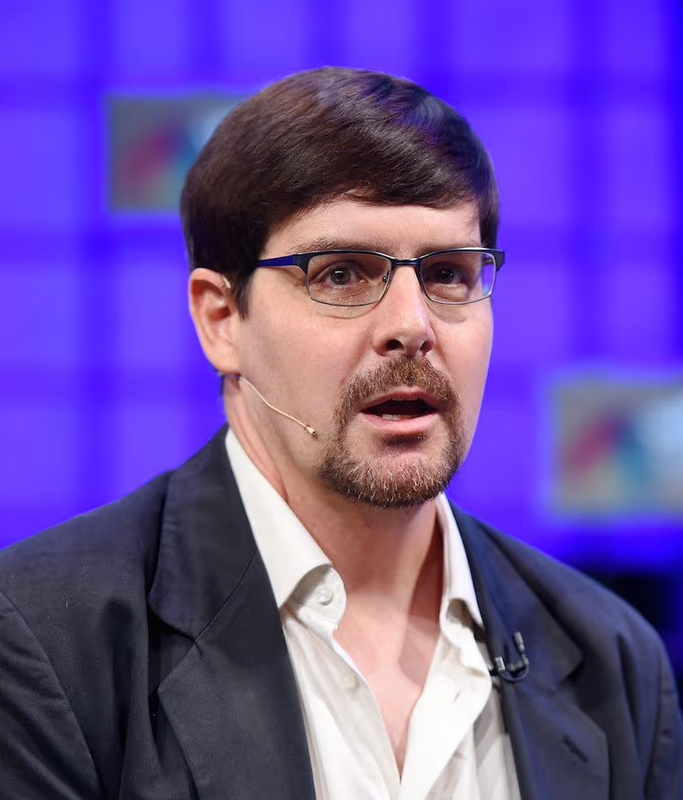
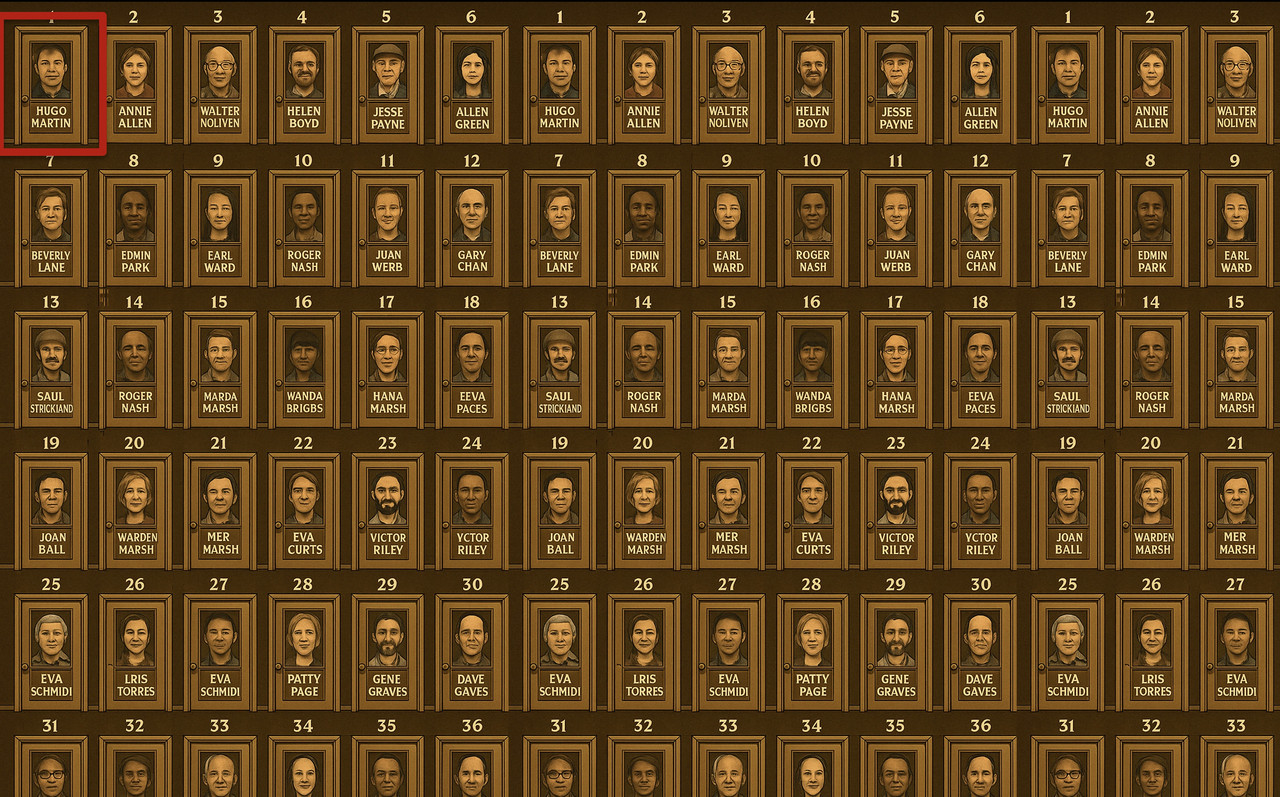
The Usual suspects to the best "Satoshi Nakamoto candidate" award include: Nick Szabo, creator of Bit Gold. Hal Finney, early cryptographer and Bitcoin collaborator. Adam Back, creator of HashCash.

Each of these individuals has technical credibility and a timeline that matches that of Satoshi. The fact is that each of them has denied being Satoshi. But more importantly none have conclusive evidence attached to them.

Expanding candidates
The expanding pool of Satoshi candidates.

Diluting the possibilities

New candidates have been proposed constantly (Peter Todd, Jack Dorsey, and others), diluting the pool of possibilities. As a result, the probability of correctly guessing Satoshi's identity is spread across an ever increasing list of names, which reinforces the notion that the mystery will never be solved...Which reinforces the myth.

Cryptographic proof
Cryptographic proof is the only conclusive evidence of Satoshi's identity.

A category of evidence on an entirely different level

It seems increasingly clear that a methodology based on identifying technical expertise and social proof will never produce a definitive answer. Fortunately, Bitcoin offers a category of evidence that exists on an entirely different level: cryptographic proofs.

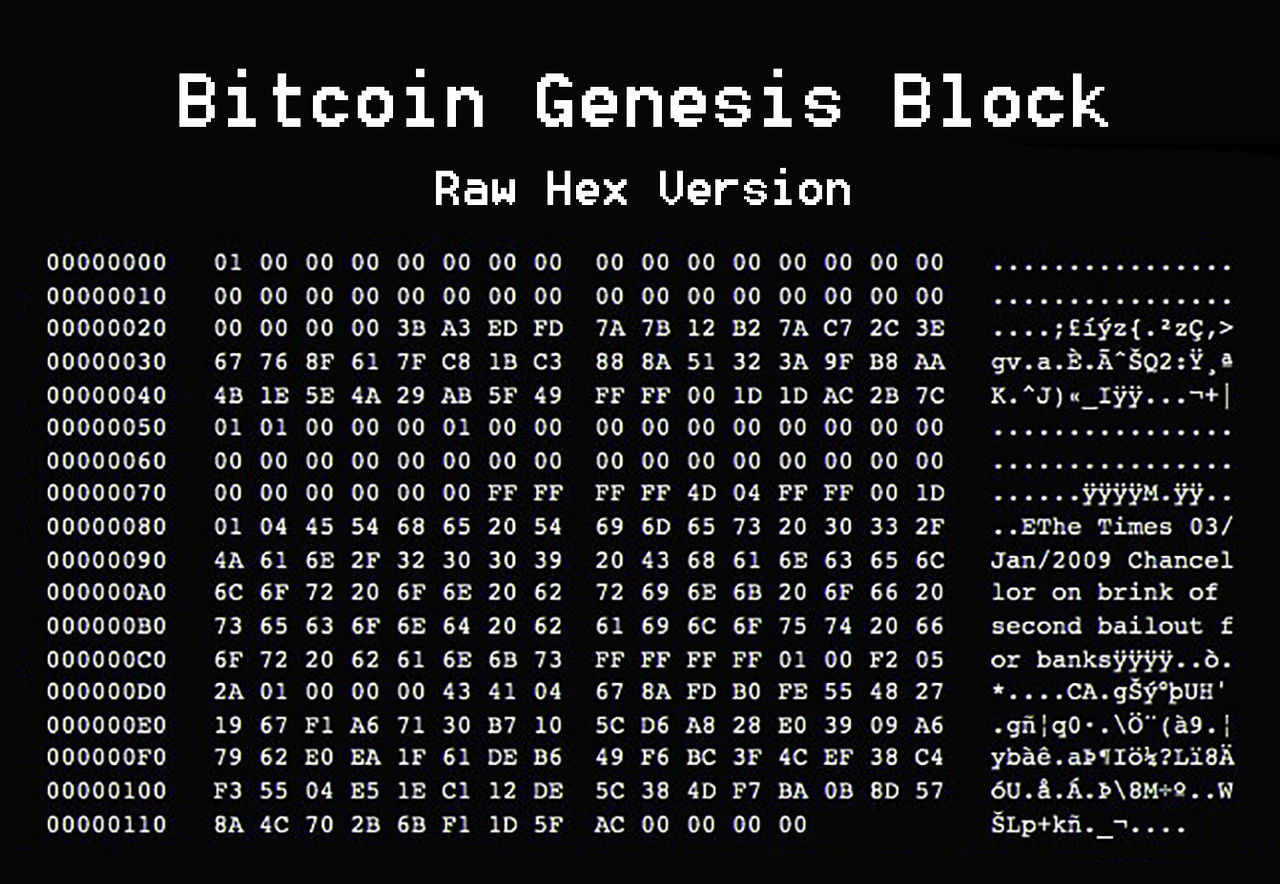
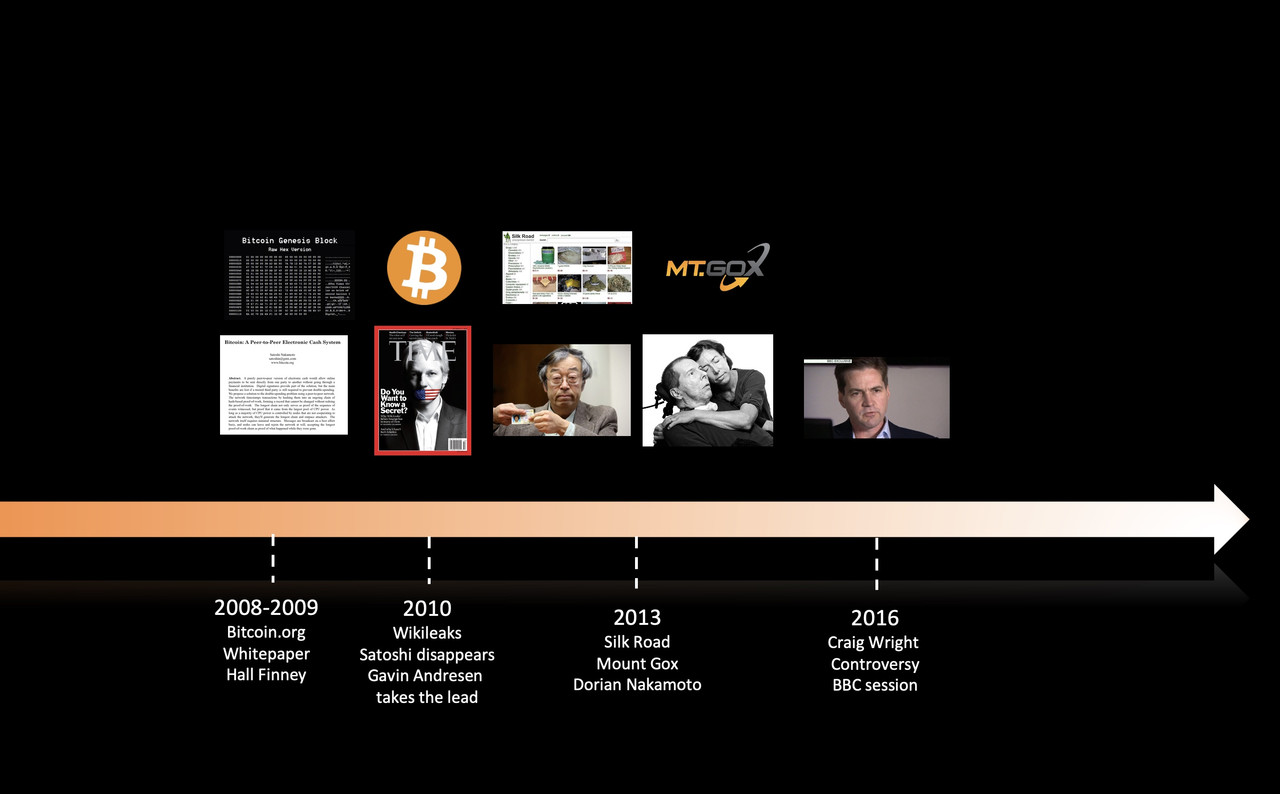
We know that on January 3rd, 2009, Satoshi Nakamoto launched the Bitcoin software and mined the Genesis block. Associated with that block are a pair of cryptographic keys: one public, one private. To this day, no technology exists that can break the encryption protecting these keys.

One door remains
The proof-based door carries nearly all the remaining probability weight.

Only one door remains standing.

As a result, anyone who can demonstrate control over the private key associated with the Genesis block would, in a single act, collapse the entire mystery. It would be the equivalent of the Monty Hall host flinging open all the wrong doors, leaving only one standing.

People could still choose to cling to their original guesses. But those who understand context and probability would recognize that the unopened door (now linked to proof) holds nearly all the remaining weight.

And now, equipped with this clearer understanding of conditional probability and emotional biases, we are ready to dive into the series of historical events that led to Bitcoin's invention.

Before you continue
Why does the opening of certain doors by the host result in the transfer of probability from these doors to the doors still left closed?
Because there are fewer doors remaining
Because the host's knowledge of the correct door means their choices carry information
Because the probability is always 50/50 between two remaining doors
Because the contestant's original choice was random