The Quest for Digital Cash
How the Cypherpunks Movement laid the foundation for Bitcoin
To truly understand Bitcoin's invention, we must rewind to the early 1980s and the emergence of the cypherpunk movement. By the 1970s, a growing awareness emerged: computers could either enhance government control or empower individual freedom. Cryptography became the essential tool in this struggle.
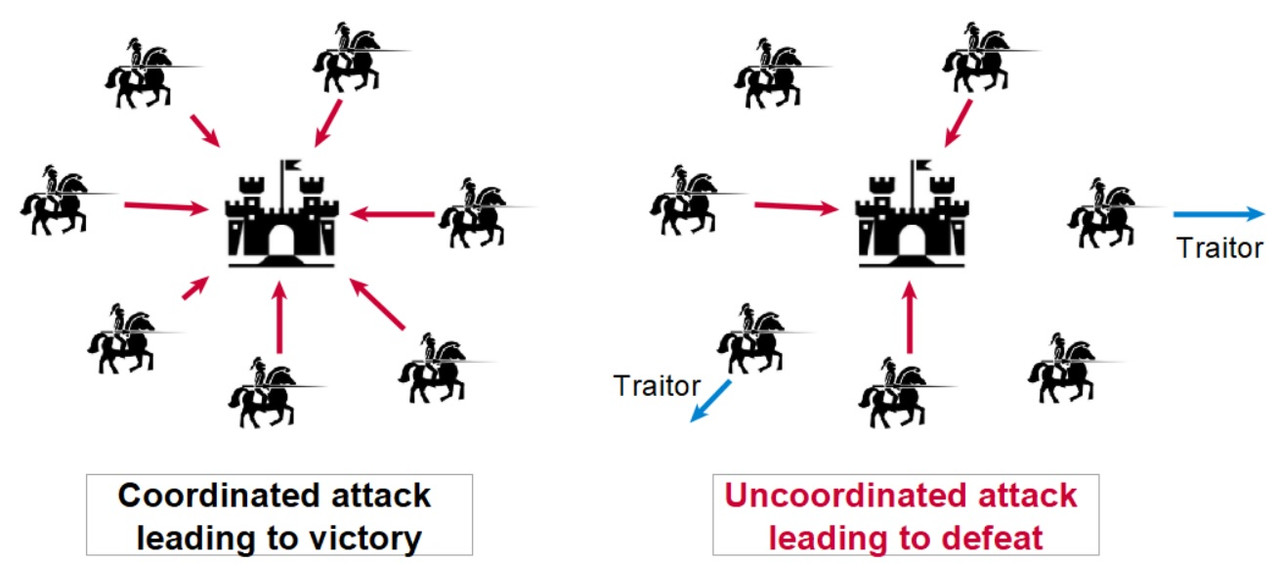 Byzantine Generals Problem">
The Byzantine Generals Problem
The cypherpunks were united in a decades-long effort to create digital money secured with cryptography. But one major obstacle stood in their way: the Byzantine Generals Problem, a theoretical issue concerning consensus in distributed systems.
This was a crucial blow to the cypherpunks' hopes of inventing digital cash. Cryptography is ideal to secure online data and communications. However, without decentralized consensus, you cannot have decentralized money.
Precursors to Bitcoin



Using computational work to create digital scarcity, HashCash introduced the concept of proof-of-work, requiring computers to solve mathematical puzzles before sending emails, as a way to combat spam. This same principle would later become the backbone of Bitcoin's mining mechanism.
Focused on preserving privacy through cryptography, B-Money proposed a system where anonymous digital pseudonyms could transact using a decentralized ledger. Though never implemented, it laid crucial conceptual groundwork that Satoshi would later cite directly in the Bitcoin whitepaper.
Hal Finney built on Adam Back's HashCash to create a system where proof-of-work tokens could be reused, a step closer to a functioning digital currency. Finney would later become the recipient of the very first Bitcoin transaction from Satoshi Nakamoto himself.
October 31, 2008
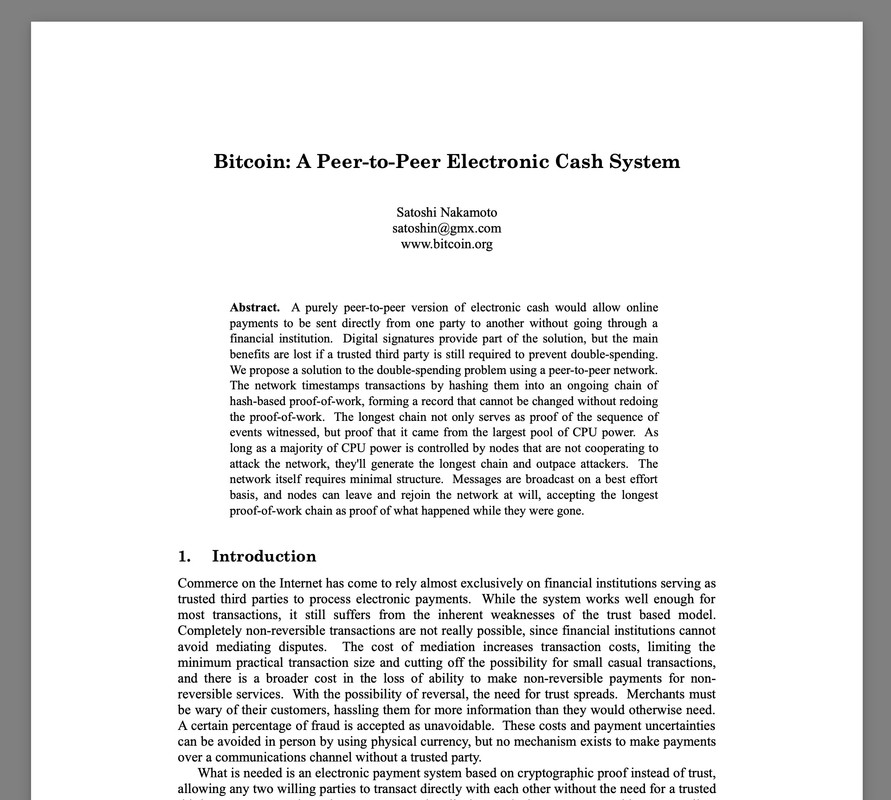
Satoshi Nakamoto published the Bitcoin whitepaper to the Metzdowd cryptography mailing list.
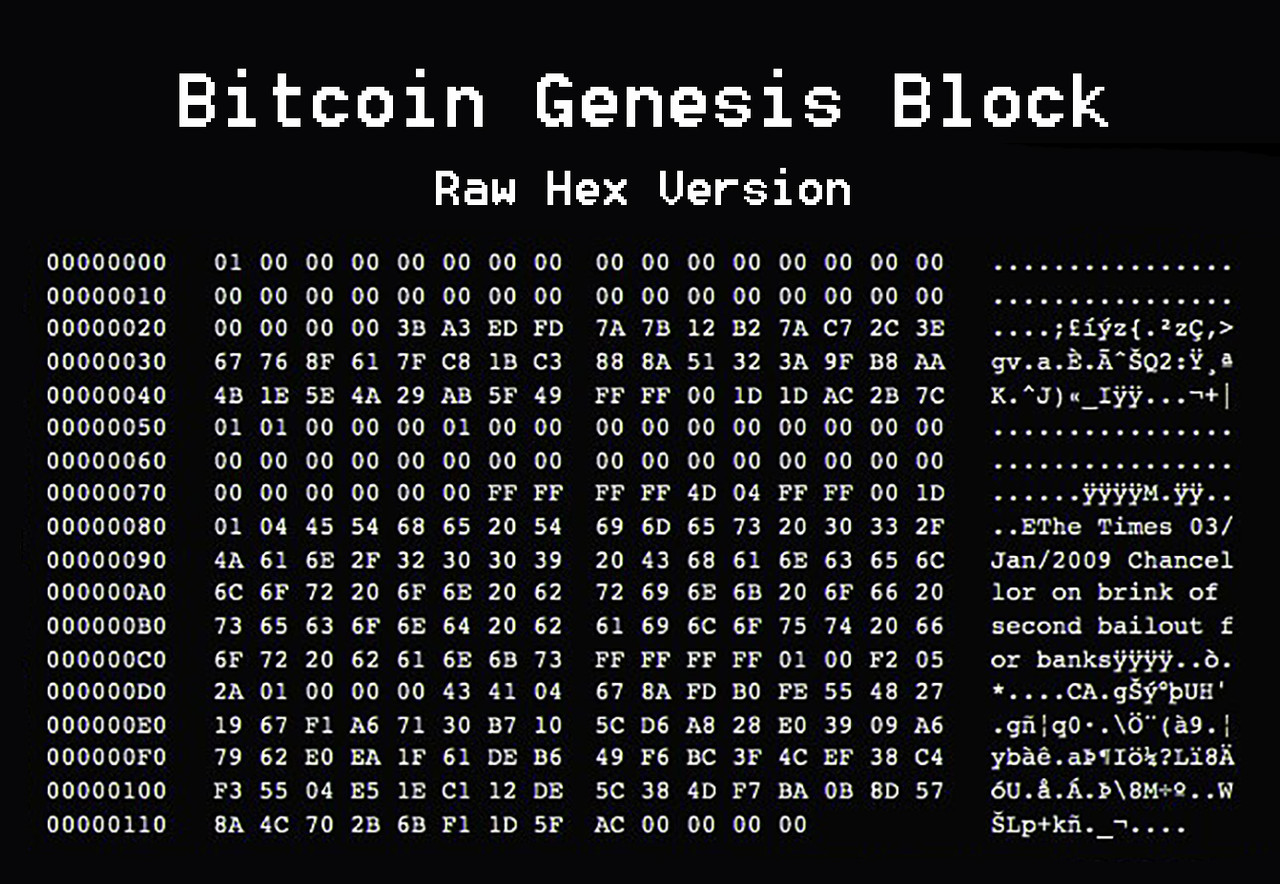
On January 3, 2009, the genesis block was mined. It included a reference to a bank bailout headline from The Times, grounding Bitcoin's origin in the financial crisis.

260 forum posts. 140,000 words. Not a single typo.
Over the next two years, Satoshi actively developed Bitcoin, contributing 260 forum posts and over 140,000 words without a single typo or misspelling. He worked to improve the software, mined early blocks, and nurtured a growing community.
Notable contributors during this phase included Peter Todd and Jeff Garzik, who helped identify and fix critical bugs, and Gavin Andresen, who became a key developer and eventually the project's main steward.
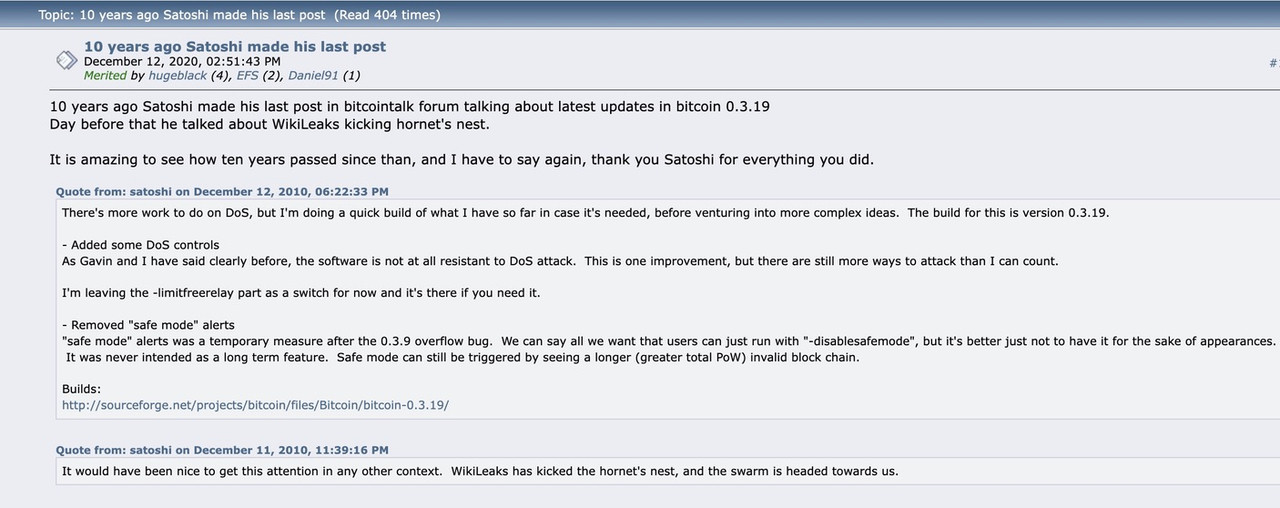
WikiLeaks kicked the hornet's nest, then Satoshi vanished.
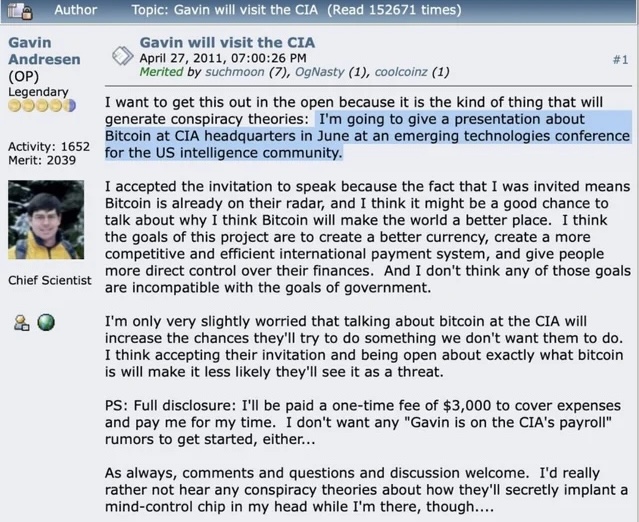
Satoshi's exit was shrouded in controversy. In early December 2010, WikiLeaks began accepting Bitcoin donations after having its bank accounts frozen by the FBI. Satoshi publicly warned that WikiLeaks had "kicked the hornet's nest." His final public message came on December 12, 2010. On April 26th, 2011, Satoshi sent his last private email to Gavin Andresen, saying: "I wish you wouldn't keep talking about me as a mysterious shadowy figure." Gavin replied that he had been invited to speak to the CIA about Bitcoin. After that exchange, Satoshi vanished entirely.
 Silk Road">
Bitcoin's controversial proof of concept
In the years following Satoshi's disappearance, Bitcoin grew steadily. 2013 was a pivotal year: the Silk Road, an anonymous dark web marketplace, was shut down by the FBI. Its creator, Ross Ulbricht, was arrested and sentenced to life in prison.
Ironically, the Silk Road demonstrated that Bitcoin could function as a usable currency. When it was shut down, mainstream audiences realized: this digital currency works, triggering a dramatic price surge.


An unsolvable mystery?
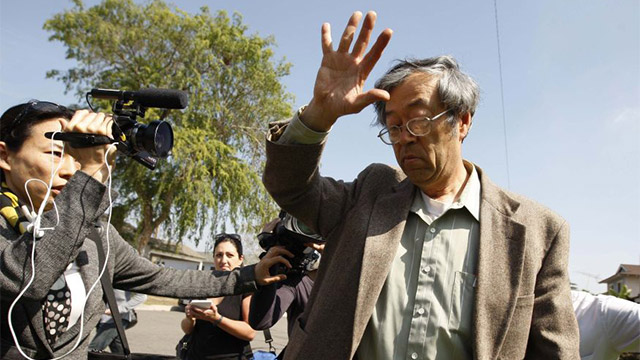
From the surface, the period from 2008 to 2016 appears filled with attempts to uncover or claim the Satoshi identity. Since Wright's declaration, no serious contender has come forward. There have been murmurs about Peter Todd, Jack Dorsey, and Elon Musk, but nothing concrete.
However, a closer look at the developments that occurred during the past eight years reveals something more complicated: the quest for Satoshi has been the object of a persistent and deeply entangled controversy.