An Ongoing Controversy amidst the Blocksize War
How Craig Wright's claim tore the Bitcoin community apart
Bitcoin Blocksize War and the Satoshi Controversy
In 2015, the Bitcoin community became deeply divided over the size of Bitcoin's transaction blocks. The "block size war" quickly escalated into an ideological and political battle for the soul of Bitcoin. It also became deeply entangled with the controversy revolving around the identity of Satoshi.
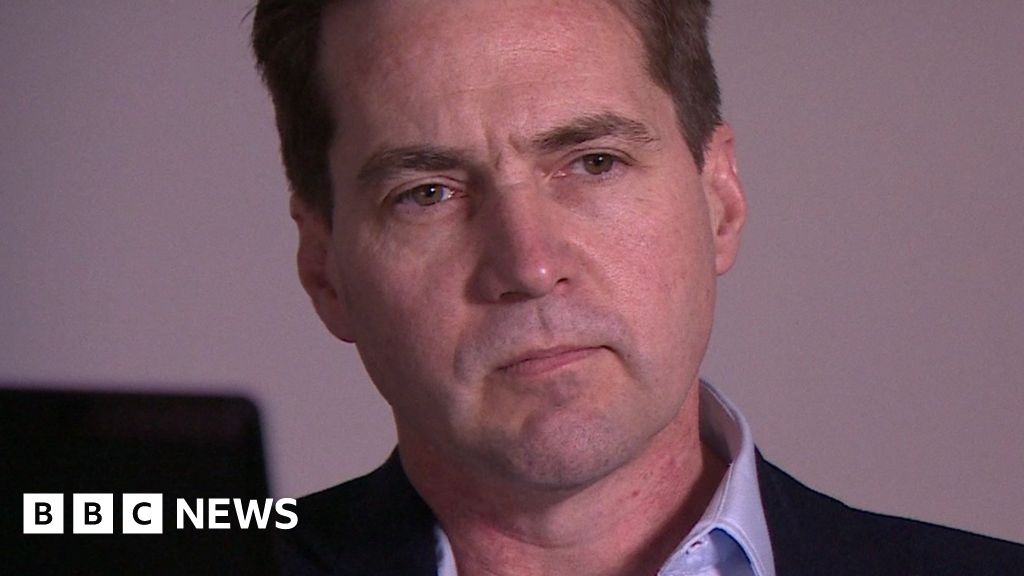
In the aftermath of Craig Wright's failed public proof session at the BBC on May 2, 2016, his claim to be Satoshi Nakamoto nonetheless garnered support from several influential figures within the Bitcoin ecosystem.
Wu Jihan is the co-founder of Bitmain, the world's largest manufacturer of Bitcoin mining hardware. By controlling a significant share of Bitcoin's mining power, Bitmain wielded enormous influence over the network's direction. Wu Jihan became one of the most vocal advocates for increasing the block size and was a key supporter of both Bitcoin Cash and Craig Wright's involvement in the ecosystem.
Roger Ver, often nicknamed "Bitcoin Jesus," was one of the earliest investors in Bitcoin and a passionate evangelist for its adoption as a payment system. He believed Bitcoin should prioritize low fees and fast transactions over being a store of value. Ver became the most prominent public advocate for Bitcoin Cash and backed Craig Wright's claim, seeing alignment between Wright's vision and his own push for larger blocks.
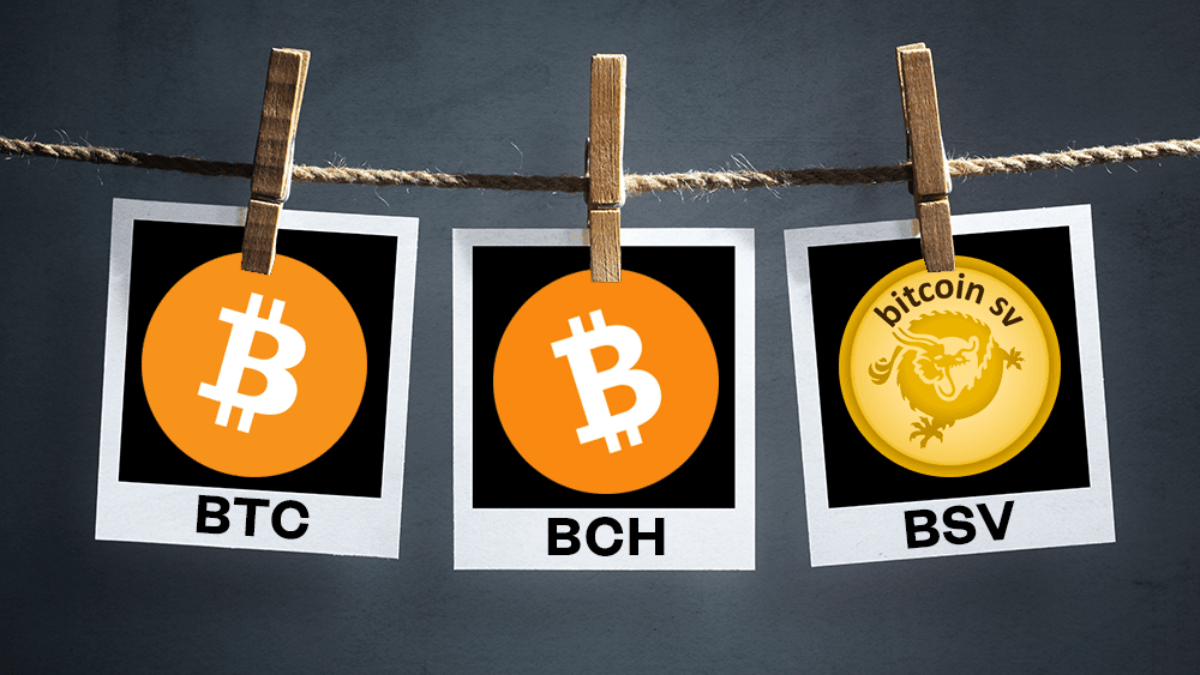
Bitcoin Cash (BCH) launched in the second half of 2017 as a hard fork of the Bitcoin network. Its primary goal was to increase the block size from 1MB to 8MB, addressing demands for higher transaction throughput. While one camp championed Bitcoin as "digital gold," Bitcoin Cash supporters prioritized speed and scalability, viewing it as the true peer-to-peer electronic cash system Satoshi described. The fork sparked intense debate about Bitcoin's identity and purpose.
Bitcoin Satoshi Vision (BSV) was created in November 2018 when Craig Wright, backed by online casino tycoon Calvin Ayre, initiated a hard fork of the Bitcoin Cash network. Marketed as "the true Bitcoin" and claiming to restore Satoshi's original protocol, BSV pushed for even larger block sizes. However, it struggled to attract meaningful adoption or developer support, and was eventually delisted by major exchanges including Binance and Kraken.
Vitalik Buterin calls Craig Wright a fraud
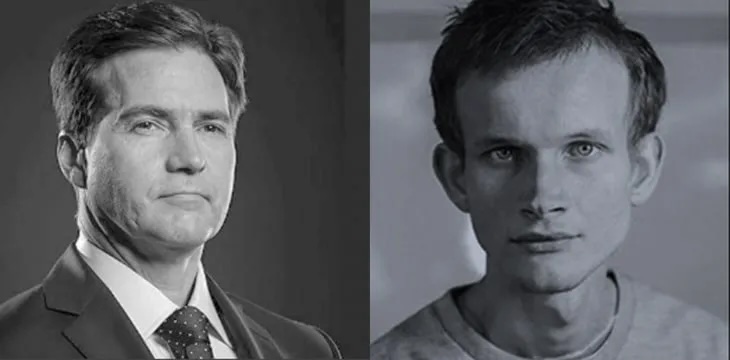
Meanwhile, a large portion of the crypto community was vocal about Craig's claim. In 2018, at the Deconomy conference in Seoul, Ethereum's inventor Vitalik Buterin publicly called Craig Wright a fraud and questioned his technical credibility.
The confrontation was acrimonious and sparked intense division within the crypto community. Craig Wright's involvement in Bitcoin Cash further intensified the controversy and marked the apex of a deep-seated divide, one rooted in differing visions for the future of the currency and unresolved questions surrounding its origin.


A failed initiative
The overlap between Wright's Satoshi claim and the block size war was no coincidence. Supporters of the expansion argued that Satoshi himself had anticipated the need for greater throughput, pointing to the whitepaper's description of Bitcoin as "a peer-to-peer electronic cash system." Wright's claim became inextricably linked to the ideological battle over Bitcoin's purpose.
The dispute escalated in November 2018 when Wright, backed by Bodog online casino tycoon Calvin Ayre, initiated a hard fork of Bitcoin Cash to create Bitcoin Satoshi Vision (BSV). Marketed as "the true Bitcoin," BSV struggled to attract meaningful adoption.
Wright's polarizing behavior
Wright's increasingly polarizing behavior eventually prompted major exchanges, including Kraken and Binance, to delist BSV, citing both reputational concerns and a lack of sustained community traction.
"Faketoshi" is born
Between 2020 and 2024, Wright became entangled in numerous lawsuits, some initiated by him, others filed against him. A common thread running through many of these cases was his unwavering claim to be Satoshi Nakamoto.
He leveraged this assertion to pursue legal action against critics who questioned his claim, including prominent figures like Vitalik Buterin and the pseudonymous Twitter user known as Hodlonaut, alleging defamation and libel.



How did this controversy persist for so long?
The ruling marked the formal collapse of Craig Wright's legal claim to the identity of Satoshi Nakamoto. And yet, as the question of his association with Bitcoin's invention appears to have been settled, one is left to ask: how did this controversy persist for so long?
From 2016 until the UK court's decision, the industry seemed to have operated under a strange form of cognitive dissonance over the possibility that this deeply divisive individual might, in fact, have created Bitcoin.
How did so many influential, technically capable people take Wright's claim seriously, despite the apparent lack of verifiable proof? To answer this question, we must rewind to the very starting point of the controversy.