Man on the Run
To understand why Gavin Andresen misjudged the significance of the private proof session with Craig Wright, and how the events of 2016 spiraled into a public collapse, we must get a deeper and broader sense of the context in which these events took place. We must rewind even further in time, to early 2014.
Craig Wright under audit
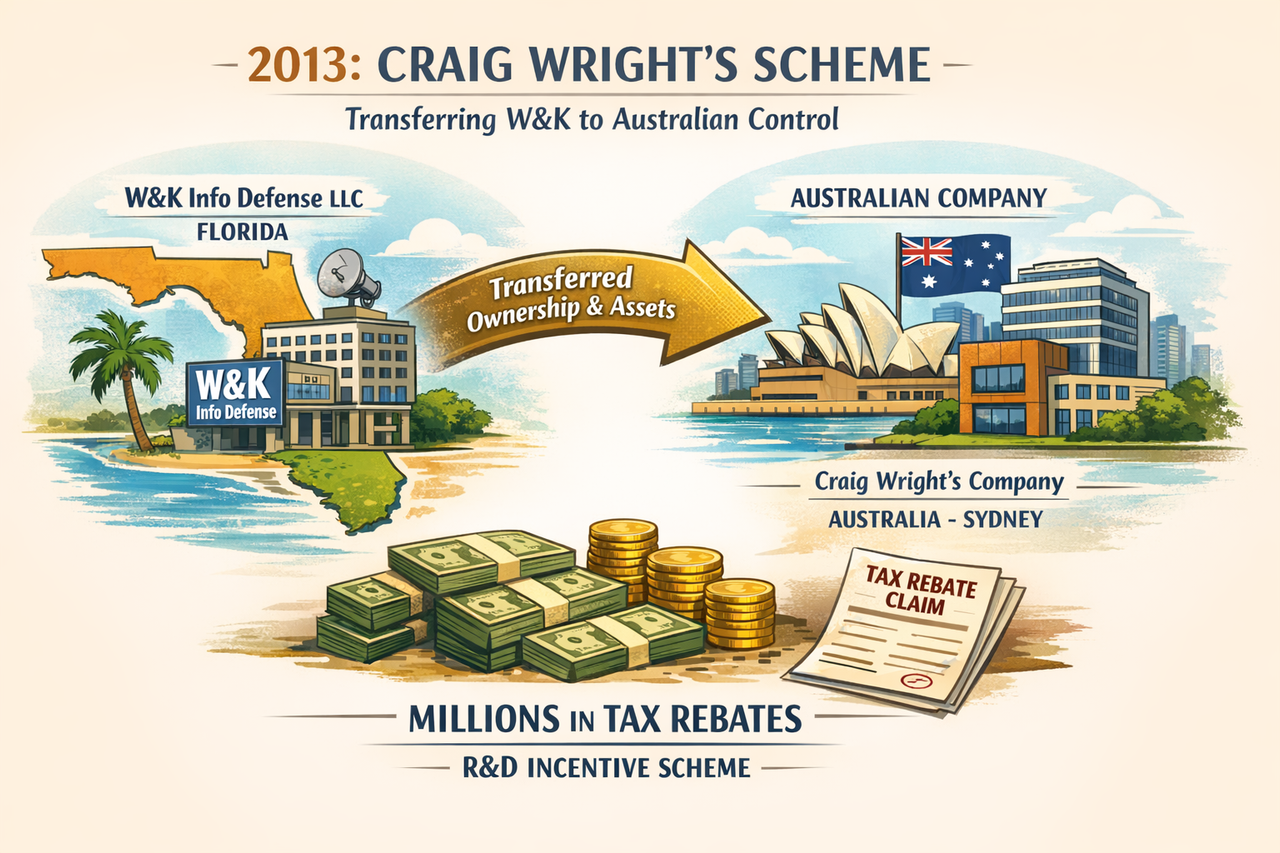
At the time, Craig Wright was under active investigation by the Australian Tax Office (ATO). The issue? His claiming tens of millions of dollars in R&D tax rebates through government programs intended to reward technological innovation. Wright's justification rested on an alleged portfolio of advanced cryptographic work, IP linked to blockchain development, and most significantly, assets associated with Bitcoin itself.
One of the central elements in this portfolio was W&K InfoDefense, a Florida-based company Wright had helped form in 2011. In 2013, Wright transferred ownership of W&K into his Australian company DeMorgan, effectively using W&K's intellectual property and Bitcoin holdings to inflate the value of his rebate claims.
$5.6 million in penalties
But the ATO audits uncovered serious discrepancies. Wright couldn't fully substantiate the supposed value of the IP or the extent of Bitcoin under his control. His documents raised more questions than they answered, and by 2014, the ATO had intensified its investigation.
Wright had already received millions from the Australian government before the audit turned against him. The ATO didn't just reject his claims, it reversed rebates that had already been paid, imposing a total liability exceeding $5.6 million, including $1.9 million in penalties for recklessness and misrepresentation.
To make matters worse, Wright's personal financial situation was unraveling. In 2013, he had reportedly lost 100,000 Bitcoin in an attempt to exchange them for gold, a loss he would later disclose during ATO hearings.
Being linked to Bitcoin's creation becomes dangerous
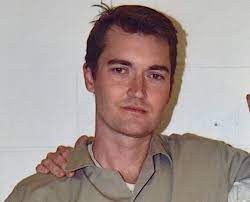
As Craig Wright's audit troubles with the ATO escalated, broader forces were converging around Bitcoin. In May 2015, Ross Ulbricht, creator of the Silk Road marketplace, was sentenced to life in prison. His case, and the DOJ's framing of Bitcoin as a tool for criminal enterprise, heightened legal sensitivity to anyone tied to the protocol's origins.
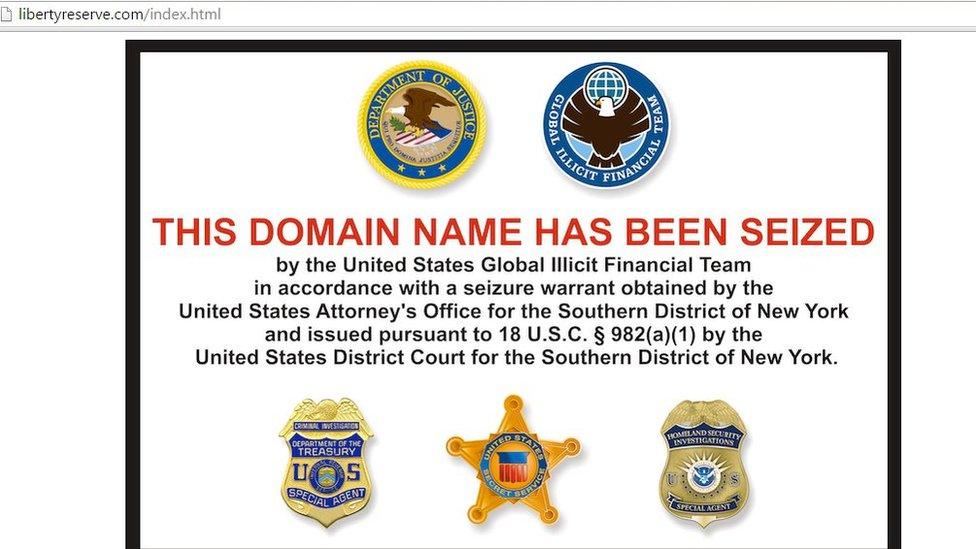
At the same time, the fallout of Liberty Reserve, a Costa Rica-based digital payment network used by offshore gambling operators and black-market vendors, added to the climate of suspicion. Its 2013 takedown by U.S. authorities was viewed as a turning point for unregulated digital currencies.
By late 2015, being linked to the creation of Bitcoin was not just controversial, it was potentially criminal.
A rescue with strings attached
While the ATO was finalizing a clawback of more than $5.6 million in reversed rebates and penalties, Wright had already suffered a major personal loss: he had reportedly lost 100,000 Bitcoin in a 2013 scam involving a supposed gold deal with a man named Marc Ferrier.
These pressures brought Wright to a breaking point. In May 2015, he pitched his story to investors in Vancouver, claiming to be Satoshi Nakamoto. This led to a financial rescue orchestrated by Robert MacGregor (nTrust) and Calvin Ayre, who agreed to cover Wright's mounting debts, including a $15 million settlement with the ATO, in exchange for ownership of Wright's companies and their Bitcoin-related IP.
Their bet: if Wright could convincingly prove he was Satoshi, the IP portfolio they had acquired would become immensely valuable.
The Gizmodo and Wired leaks
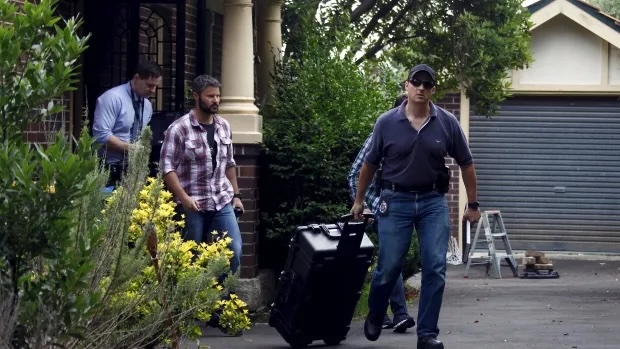
In early December 2015, Gizmodo and Wired published documents leaked from within Wright's network, asserting that he was Satoshi Nakamoto. These articles triggered immediate consequences. The next day, Australian Federal Police raided Wright's home and offices.
With both his legal and financial crises deepening, Wright fled to London.
The Build-Up to the BBC Session
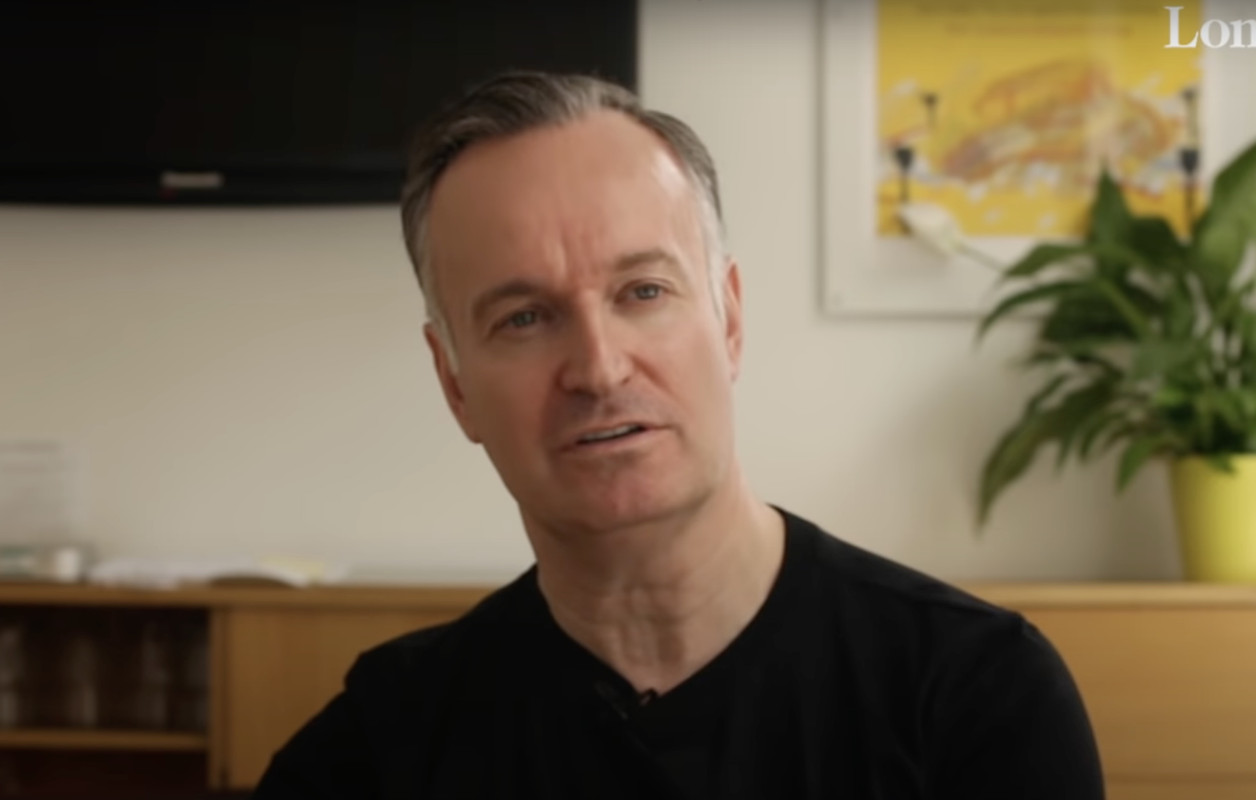
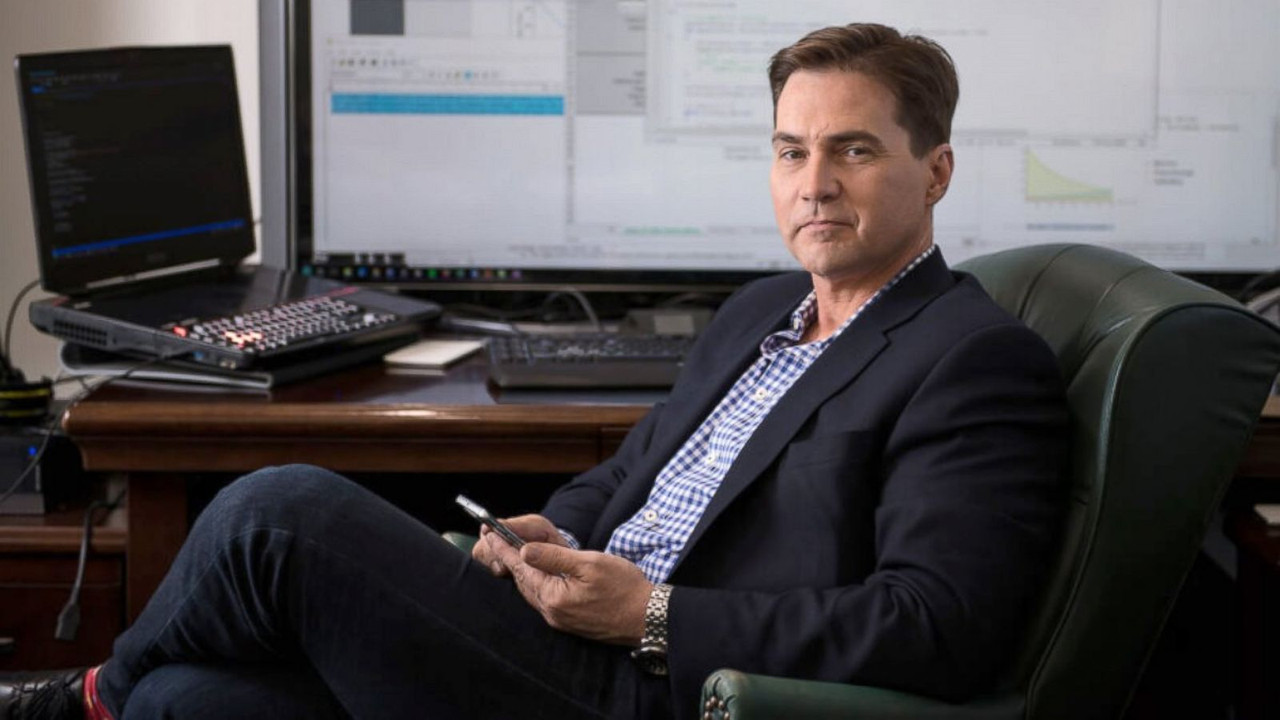
To manage the high-stakes reveal, Wright's backers enlisted UK journalist Andrew O'Hagan, known for his profile of Julian Assange. O'Hagan followed Wright for over six months, chronicling the psychological and legal pressure surrounding the planned public proof sessions of 2016.
Wright's refusal to perform the public signing on the BBC in May 2016 must be understood within that frame. It was a survival strategy. Wright believed that publicly signing with the genesis block key might trigger prosecution by U.S. authorities, especially after what had happened to Ulbricht and Liberty Reserve.
Identity vs. Control
By May 2016, when Craig Wright appeared on the BBC, he was trapped, cornered by tax liabilities, leveraged by investors, and terrified of prosecution.
Gavin Andresen, unaware of the legal and financial pressure Wright faced, believed he was simply verifying one man's identity. He didn't realize that Wright might have only partial or contingent control over the genesis keys, or that his reveal was orchestrated under duress.
The deeper error was epistemological. Signing a message with the genesis block key only proves control, not authorship. And even that control can be partial, conditional, or delegated.
When asked directly if he was Satoshi, Wright replied:
"I was the main part of it. Other people helped."
In that moment, Wright subtly admitted the reality few want to confront: Satoshi Nakamoto was not a single person. Satoshi was a team.